
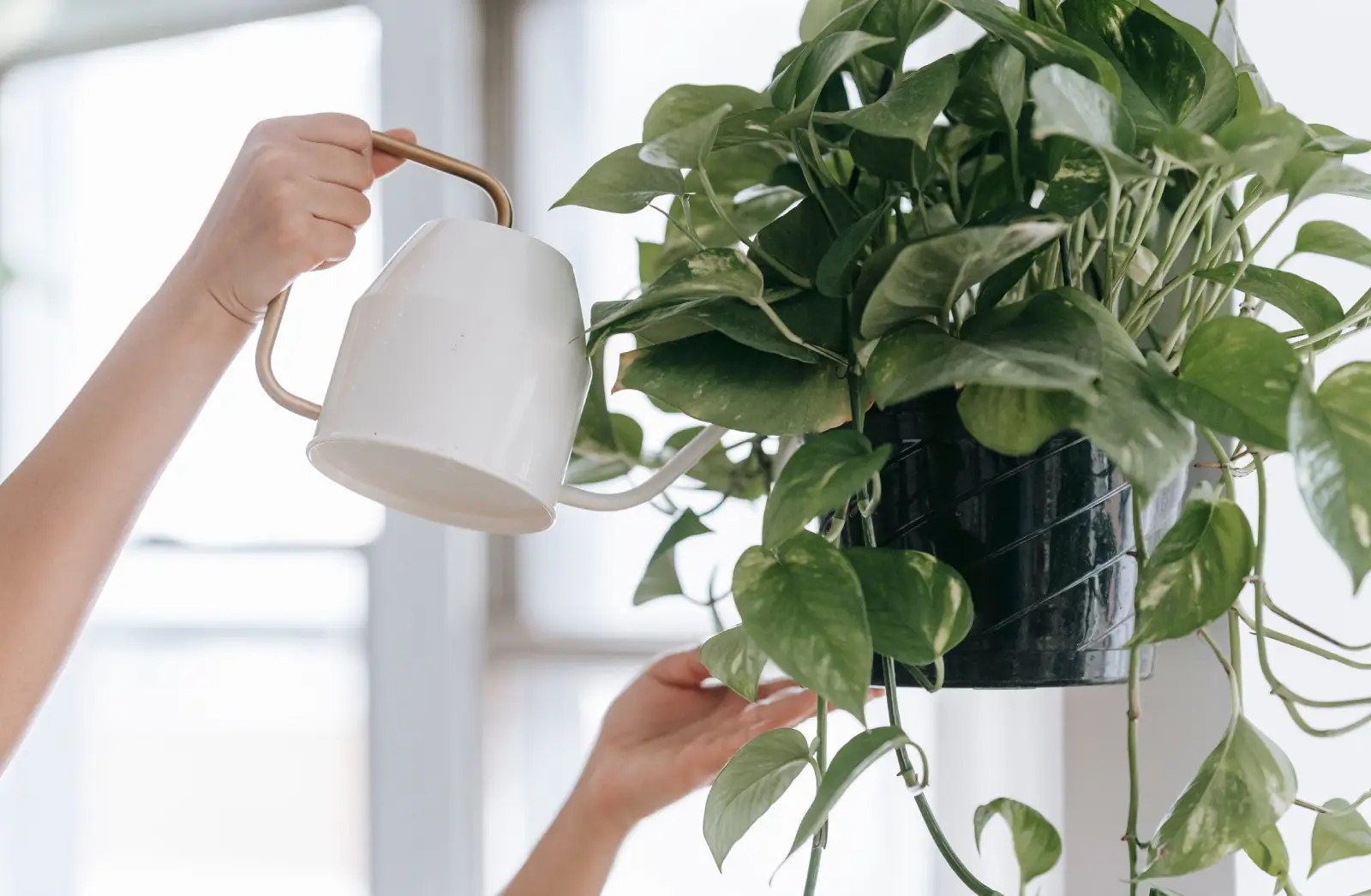
There’s something special about bringing a little greenery into your home. A beautiful houseplant can make an empty corner feel alive, add warmth to a room, and create a more relaxing atmosphere. And if you’re looking for a plant that’s attractive, easy to grow, and beginner-friendly, pothos deserves a spot on your list.
Known for its trailing vines and heart-shaped leaves, pothos is one of the most popular indoor plants for good reason. It looks beautiful on bookshelves, hanging baskets, plant stands, and windowsills. Even better, it doesn’t demand constant attention. With the right light, watering routine, and occasional pruning, you can keep this plant looking fresh throughout the year.
Whether you’ve just brought home your first pothos or want to help an older plant grow fuller, this guide covers everything you need to know. We’ll walk through pothos plant care, explain how to propagate pothos, discuss watering schedules, and share useful products that make indoor gardening easier.
Let’s get growing!
1. Meet Pothos: The Houseplant That Makes Every Corner Better
Pothos, scientifically known as Epipremnum aureum, is a tropical climbing plant native to the South Pacific. It has glossy, heart-shaped leaves and long vines that can trail several feet when given the right growing conditions. Depending on the variety, its leaves may feature shades of green, golden yellow, cream, or white.
One reason homeowners love pothos is its versatility. You can let the vines cascade from a hanging planter, train them along a wall with plant supports, or place the pot on a bookshelf for a relaxed, natural look. It works beautifully in living rooms, bedrooms, home offices, and other indoor spaces with suitable lighting.
Another bonus is that pothos adapts to a range of indoor conditions. Although it prefers bright, indirect light, it can tolerate lower-light spaces. However, slower growth and less colorful leaves are common when light levels stay too low.
Products to shop:
- Golden pothos live indoor plant
- Marble Queen pothos plant
- Neon pothos live plant
- Decorative indoor plant pots
One important thing to remember: pothos is toxic if chewed or swallowed by cats, dogs, and people. Keep it somewhere pets and small children cannot reach, and contact a veterinarian or medical professional if ingestion occurs.
2. Find the Sweet Spot: How Much Light Does Pothos Need?
Lighting plays a big role in healthy pothos growth. The best location is usually near a window where the plant receives plenty of bright, indirect sunlight. An east-facing window can be a great choice because it often provides gentle morning light.
If your home doesn’t get much natural sunlight, don’t worry. Pothos can survive in lower-light conditions, although it may grow more slowly. Variegated varieties, such as Marble Queen and Golden Pothos, may also lose some of their distinctive coloring when they don’t receive enough light.
On the other hand, avoid placing your plant in strong, direct afternoon sunlight for long periods. Intense rays can scorch the leaves and leave brown or faded patches. If you notice these signs, move the plant a little farther from the window.
Products to shop:
- Full-spectrum LED grow lights for indoor plants
- Adjustable grow light for houseplants
- Plant window shelves
- Plant stands for indoor pots
A simple way to check your plant’s location is to watch how it grows. Healthy new leaves and steady vine development usually suggest that the plant is comfortable. If growth becomes unusually slow or the leaves lose their variegation, consider giving it more indirect light.
3. Watering Without the Guesswork: How Often to Water Pothos
Watering is one of the most important parts of pothos plant care. Fortunately, pothos doesn’t need a complicated schedule. The best approach is to check the soil before reaching for your watering can.
As a general guideline, water your pothos when the top 1 to 2 inches of soil feel dry. Depending on the temperature, humidity, light, pot size, and season, this might happen every one to two weeks. However, don’t treat that timeframe as a strict rule. Your plant’s soil condition matters more than the calendar.
When it’s time to water, pour slowly until excess water drains through the bottom of the pot. Empty the saucer afterward so the roots don’t sit in standing water. Too much moisture can cause root rot, which often shows up as yellowing leaves, soft stems, and unpleasant-smelling soil.
Products to shop:
- Indoor watering cans with long spouts
- Soil moisture meters for houseplants
- Plant saucers with drainage
- Self-watering plant pots
So, how often to water pothos really depends on your indoor environment. During warmer months, the soil may dry faster. In winter, when growth slows and evaporation decreases, you may need to water less frequently.
If you’re unsure, wait and check the soil again. Pothos generally handles a short dry period better than constantly soggy soil.
4. Give Those Roots a Happy Home: Choosing the Right Soil and Pot
Healthy roots create healthy plants. That’s why choosing the right potting mix matters just as much as watering and lighting. Pothos prefers a loose, well-draining growing medium that allows excess water to escape while retaining enough moisture for the roots.
A good-quality indoor potting mix can work well. You can improve drainage by mixing in perlite and a little orchid bark. This creates an airy growing medium that helps prevent the soil from becoming compacted.
Your choice of pot matters, too. Always use a container with drainage holes. While decorative pots without holes look attractive, they can trap excess water and increase the risk of root problems. You can place a nursery pot inside a decorative planter to enjoy the best of both worlds.
Products to shop:
When choosing a pot, avoid going too large. A container that’s only slightly bigger than the current root ball is usually a better option. Oversized pots hold more soil and moisture, which can make overwatering easier.
5. Feed Your Green Friend: Fertilizing Pothos for Better Growth
Although pothos isn’t a heavy feeder, occasional fertilizing can support healthy growth. During spring and summer, when the plant is actively growing, you can use a balanced liquid houseplant fertilizer at the rate recommended on its label.
Start with a modest feeding routine rather than applying fertilizer too frequently. Too much fertilizer can cause salt buildup in the soil and damage the roots. You may notice brown leaf tips or a crusty layer on the soil surface if this happens.
During fall and winter, pothos usually grow more slowly. As a result, you can reduce or pause fertilizing during these months. Resume feeding when new growth picks up in spring.
Products to shop:
- Balanced liquid fertilizer for houseplants
- Organic indoor plant fertilizer
- Slow-release fertilizer for indoor plants
- Liquid fertilizer measuring bottles
One helpful tip: never fertilize a severely dry or stressed plant. Water it appropriately first and address any underlying problems before adding fertilizer. A healthy growing routine will do more for your pothos than excessive feeding.
6. The Fun Part: How to Propagate Pothos From Cuttings
Want more pothos plants without buying another one? Learning how to propagate pothos is surprisingly easy. You can create new plants from healthy vine cuttings, making this a fun and affordable way to expand your indoor garden.
Start by choosing a healthy vine with several leaves. Look closely at the stem and find the small brown bumps called nodes. These are important because new roots grow from the nodes. Using clean, sharp scissors, cut just below a node. Your cutting should include at least one node and one healthy leaf.
Next, remove any leaves that would sit underwater. Place the cutting in a clean glass or propagation vessel, making sure the node stays submerged while the leaf remains above the water. Set the container somewhere with bright, indirect light.
Products to shop:
- Pothos propagation station
- Glass propagation tubes for plants
- Plant propagation scissors
- Small glass propagation vases
Change the water regularly, preferably about once a week, and watch for new roots. Depending on the growing conditions, roots may begin appearing within a couple of weeks, although timing varies.
Once the roots have developed and grown to a useful length, you can transfer the cutting into a small pot with well-draining soil. Keep the soil lightly moist while the new plant adjusts. Before long, you’ll have another pothos ready for a shelf, desk, or hanging basket.
7. Keep Those Vines Looking Gorgeous: Pruning and Training Pothos
Pothos naturally develops long trailing vines. While that cascading look is beautiful, the plant can sometimes become leggy or uneven. Regular pruning helps you maintain a fuller, more balanced appearance.
Use clean scissors to trim overly long vines just above a node. You can also remove yellow, damaged, or unhealthy leaves. Don’t throw away healthy cuttings, though. Save them for propagation and turn one mature plant into several smaller ones.
If you want a different look, train your pothos to climb. In nature, pothos uses aerial roots to attach itself to surfaces. Indoors, you can recreate this with a moss pole or suitable climbing support.
Products to shop:
- Moss poles for climbing plants
- Sharp pruning shears for houseplants
- Plant clips for indoor vines
- Plant support stakes
A little pruning can make a big difference. If you want a fuller-looking pot, you can plant several rooted cuttings together. This creates a lush appearance without waiting for a single vine to branch out.
8. Spot the Warning Signs: Common Pothos Problems and Solutions
Even an easygoing plant can experience problems from time to time. The trick is to recognize the warning signs early. Yellow leaves, brown tips, drooping vines, and slow growth can all indicate that something in the plant’s environment needs attention.
Yellow leaves often point to overwatering, especially when the soil stays wet for long periods. Brown, crispy edges may indicate underwatering, low humidity, or fertilizer buildup. Meanwhile, pale leaves or long gaps between leaves can suggest insufficient light.
Check the roots if you suspect root rot. Healthy roots are generally firm, while rotten roots may look dark, feel mushy, and smell unpleasant. Remove affected roots with clean scissors and repot the plant in fresh, well-draining soil if necessary.
Products to shop:
- Houseplant pest control products
- Yellow sticky traps for fungus gnats
- Neem oil for ornamental plants
- Fresh indoor potting soil
Also, inspect the leaves regularly for pests such as spider mites, mealybugs, and scale insects. Isolate an affected plant from your other houseplants and use a treatment labeled for the specific pest. Always follow the product instructions and keep treatments away from pets and children.
9. Make Pothos Part of Your Home Decor
One of the best things about pothos is how easily it fits into different decorating styles. Its trailing vines add movement and natural color, making it an excellent choice for shelves, side tables, and empty corners.
For a cozy living room, place a pothos in a decorative planter on a bookshelf and let its vines hang naturally. If you prefer a clean, modern look, try a simple white or neutral ceramic pot. For a more relaxed, bohemian feel, choose a woven basket-style planter with a suitable waterproof inner container.
You can also use hanging planters to add greenery without taking up valuable floor space. Just make sure the plant receives enough indirect light and that the hanging fixture is securely installed.
Products to shop:
- Hanging planters for indoor pothos
- Macrame plant hangers
- Modern ceramic plant pots
- Indoor plant shelves
If you enjoy decorating with greenery, you might also like our guide to Best Artificial Topiary Trees for Home Decor. Artificial plants can help fill darker corners where live pothos might struggle.
For even more inspiration, take a look at our 10 Living Room Decor Ideas to Up Your Style on Any Budget. You’ll find simple ways to combine plants, rugs, lighting, and accessories for a welcoming space.
10. Your Simple Pothos Care Routine: Keep It Growing All Year
Once you understand the basics, caring for pothos becomes part of your regular home routine. You don’t need to check on it every hour or follow a complicated gardening calendar. A few simple habits can help keep your plant healthy.
Check the soil before watering, inspect the leaves for pests, and rotate the pot occasionally so different sides receive light. Wipe dusty leaves with a soft, damp cloth to help keep them looking fresh. During the growing season, prune as needed and provide occasional fertilizer.
Here’s a quick seasonal guide:
- Spring: Resume regular feeding, check whether the plant needs repotting, and take cuttings.
- Summer: Monitor soil moisture more frequently and protect leaves from intense direct sunlight.
- Fall: Reduce fertilizer as growth slows and check for pests.
- Winter: Water less frequently when the soil takes longer to dry, and keep the plant away from cold drafts.
Products to shop:
- Houseplant care tool kits
- Soft microfiber plant cleaning cloths
- Indoor plant humidifiers
- Houseplant fertilizer
A final tip: keep a small plant-care journal if you’re new to indoor gardening. Write down when you water, fertilize, prune, or repot your pothos. Over time, you’ll understand how your plant responds to your home’s conditions and develop a routine that works naturally.
Conclusion: A Little Care Goes a Long Way
Pothos is one of those plants that makes indoor gardening feel rewarding rather than complicated. Its beautiful trailing vines, attractive leaves, and adaptable nature make it a wonderful addition to almost any home with suitable lighting.
The secret to successful pothos plant care is simple: provide bright, indirect light, use well-draining soil, and avoid overwatering. Check the soil before deciding how often to water pothos, prune the vines when needed, and give your plant occasional nutrients during active growth.
And don’t forget to try your hand at propagation! Once you understand how to propagate pothos, you can turn a few healthy cuttings into new plants for your shelves, windowsills, and hanging baskets.
Most importantly, enjoy the process. Your pothos doesn’t need to look perfect every day. Give it consistent care, pay attention to what its leaves tell you, and let it grow at its own pace. Before you know it, you’ll have a beautiful green addition to your home that you can enjoy for years to come.
Leave a Reply